Black Bichon Frise Watercolor Clipart: A Designer's Guide to Whimsical Charm
The distinctive, fluffy silhouette of a Bichon Frise carries an inherent sense of joy and elegance. When rendered in the fluid, expressive style of watercolor, it transforms from a simple dog illustration into a piece of art. This is the essence of the Black Bichon Frise Watercolor Clipart set. It’s not just a collection of images; it’s a versatile design asset that injects personality, warmth, and a handcrafted feel into a wide array of projects. For designers, entrepreneurs, and creators, understanding how to leverage this unique aesthetic is key to standing out.
Visual Style and Personality of the Clipart
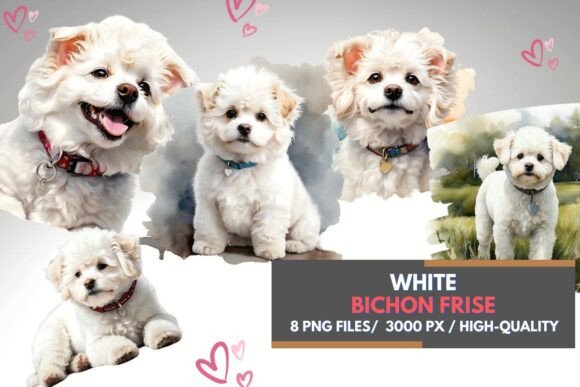
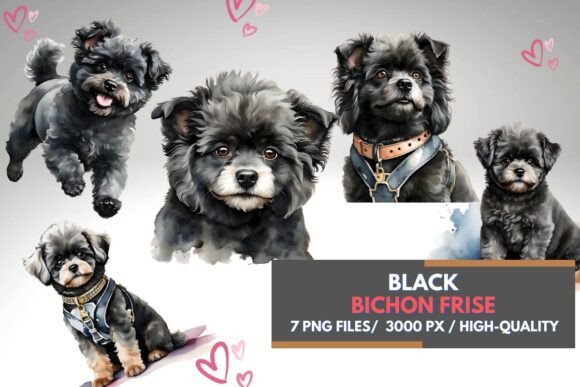
This particular clipart set is defined by a blend of realism and artistic interpretation. The "black" aspect isn't a flat, solid color but likely features rich, deep charcoal tones with subtle gradients and texture that mimic the layering of real watercolor pigments. You’ll see soft, blurred edges where the paint appears to bleed naturally into the white background, and perhaps areas of intentional transparency where the brushstroke was lighter. This technique gives each illustration a sense of movement and life that a digitally vectorized image often lacks.
The personality conveyed is one of sophisticated playfulness. A Bichon Frise is already a charming subject, but the watercolor treatment adds a layer of artisanal quality. It feels personal, as if sketched by a talented artist in their studio. This makes the clipart ideal for projects aiming for an approachable, yet polished, brand identity. It communicates care, creativity, and a touch of whimsy without sacrificing professionalism.
Practical Applications Across Creative Projects
The true value of any design asset lies in its application. The Black Bichon Frise Watercolor Clipart, with its transparent PNG format and high resolution, is exceptionally versatile. Its utility spans both digital and print domains, making it a worthwhile addition to any creative’s toolkit.
- Branding and Marketing: For pet-centric businesses—a groomer, boutique pet food brand, dog walker, or pet photographer—this clipart can become a cornerstone of the visual identity. Use it as a primary mark in a logo design, or as a recurring graphic element on business cards, packaging, and website banners. It instantly communicates the business's niche in a warm and engaging way.
- Digital Content Creation: Bloggers and social media managers can use these illustrations to break up text, create featured images, or design eye-catching pins and Instagram stories. For content creators in the pet or lifestyle space, it adds a consistent, branded visual flair that followers will recognize. It’s also perfect for designing digital products like planners, invitations, or printable wall art for platforms like Etsy.
- Editorial and Publishing Design: In magazine layout or book design, especially for genres like pet care, children's stories, or light-hearted fiction, this clipart can serve as charming spot illustrations. A single, well-placed watercolor dog can add visual interest to a page without overwhelming the typography or the main content.
- Physical Products and Crafts: The sublimation-ready nature of the files opens up a world of possibilities for small businesses and hobbyists. Think custom t-shirts, mugs, tote bags, and phone cases. For crafters, these images are perfect for scrapbooking, card making, and creating custom decals. The high resolution ensures crisp prints even on larger items.
Integrating Clipart with Typography and Layout
Successfully incorporating an illustrated element like this requires thoughtful design strategy. It’s about creating harmony between the graphic and other components like typography, color, and layout. The goal is to enhance, not clutter, the overall composition.
Font Pairing is Critical: The whimsical, handcrafted nature of the watercolor clipart pairs best with typefaces that complement, rather than compete with, its style. A clean sans serif font can provide a modern, stable counterbalance, letting the illustration be the star. Alternatively, a elegant serif font can lend a classic, sophisticated feel. For a more cohesive look, a subtle script font or handwritten font can echo the artist's hand in the illustration, but use these sparingly for headlines or accents to maintain readability. Avoid overly decorative or heavy display fonts that might create visual chaos.
Establishing Visual Hierarchy: Use the clipart to guide the viewer’s eye. A large illustration can act as a focal point for a poster or social media graphic. Smaller versions can be used as bullet points, dividers, or accent marks in a list or article layout. This creates a clear visual hierarchy, making your content more scannable and engaging. The transparency of the PNG files allows them to be placed over colored backgrounds or other images seamlessly, offering immense layout flexibility.
Color Palette Considerations: While the primary subject is black, the watercolor technique will introduce subtle tonal variations. Build your project’s color palette around these. Pull a soft gray or charcoal from the illustration for text or borders. Use the stark white of the transparent background to your advantage for a clean, airy feel. Adding one or two complementary accent colors—perhaps a muted pastel or a warm earth tone—can tie the entire design together beautifully.
Evaluating and Sourcing Design Assets
When you choose a premium font or a creative font, you evaluate its quality, licensing, and versatility. The same due diligence applies to clipart. A high-quality asset is an investment that pays dividends in professionalism and efficiency.
Resolution and Format: Always check the specifications. A resolution of 3000px, as offered in this set, is more than sufficient for most print and digital applications, ensuring your designs remain sharp. The PNG format with transparency is non-negotiable for flexible layering in software like Adobe Photoshop, Illustrator, Canva, or Affinity Designer.
Licensing for Commercial Use: This is paramount. If you plan to use the clipart on products for sale, in client work, or in monetized content, you must have a clear commercial license. Reputable sellers, like the mentioned Murmeo!, provide clear terms. This protects both you as the creator and the original artist. Never assume an asset is free for commercial use without verifying.
Testing in Context: Before finalizing a design, test the clipart within your layout. Does it scale well? Does it look right next to your chosen font pairing? Does it maintain its charm when printed on a specific material? Mockups are invaluable here. Seeing the asset in a real-world context helps you assess its true brand identity potential and make necessary adjustments.
Ultimately, the Black Bichon Frise Watercolor Clipart is more than a cute picture of a dog. It’s a strategic design asset capable of elevating a project’s aesthetic, conveying a specific brand personality, and creating a memorable connection with an audience. By understanding its style and applying it with thoughtful design principles, you can unlock its full potential to create work that is both beautiful and effective.