Cute and Funny Teddy Bear Clipart: Charm for Every Project
Understanding the Visual Appeal of Teddy Bear Illustrations
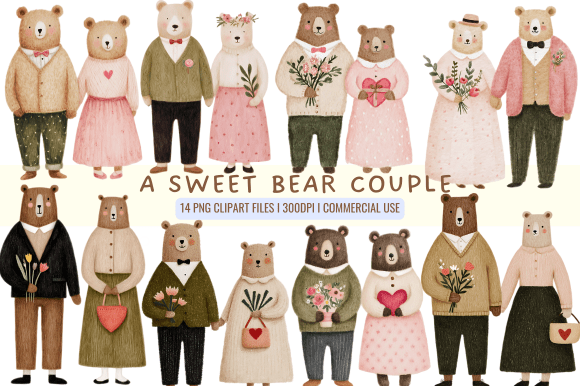
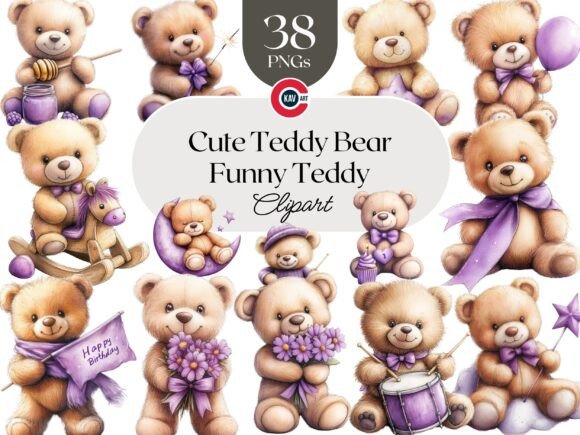
There’s a reason teddy bears have remained a universal symbol of comfort and affection for over a century. When you work with Cute and Funny Teddy Bear Clipart, you’re tapping into that deep-seated nostalgia and warmth. Visually, these illustrations aren't just generic stuffed animals; they are designed with specific personality traits. You will often find characters with oversized heads, soft rounded features, and exaggerated expressions—think cheeky grins, playful winks, or a bear holding a balloon that is almost bigger than it is. The art style typically leans towards a hand-drawn or watercolor aesthetic rather than sharp vector lines, which gives the design assets a tactile, organic feel.
The appeal lies in the versatility of the "personality" of the bear. Unlike a rigid sans serif font that conveys strict professionalism, a teddy bear illustration conveys approachability. In a digital landscape saturated with sharp edges and minimalist modern typography, these soft, rounded forms offer a visual break. They act as a display font for imagery—immediately catching the eye and setting a mood before the viewer even reads a single word. The "funny" aspect is crucial here; it prevents the design from looking too childish for adult contexts. A bear wearing a party hat or tangled in streamers adds a layer of levity that works perfectly for adult consumers who appreciate whimsy.
Strategic Applications in Branding and Marketing
For entrepreneurs and brand strategists, the challenge is often making a corporate or commercial entity feel human. This is where Cute and Funny Teddy Bear Clipart becomes a powerful tool in your brand identity toolkit. It works exceptionally well for businesses in the "soft" industries: bakeries, childcare services, boutique gift shops, and even mental health apps. Using these illustrations in your social media graphics or web design can instantly lower the barrier to entry for your audience, making your brand feel more accessible and less intimidating.
Consider the impact on packaging design. If you are selling a physical product, incorporating a high-quality bear illustration can elevate the unboxing experience. It signals care and attention to detail. However, balance is key. Just as you wouldn't use a chaotic script font for body text, you shouldn't overuse clipart. The goal is to use these bears as accent pieces—perhaps as a watermark behind a quote, or as a spot illustration in the corner of a logo design concept. When paired with a clean, legible serif font or a simple handwritten font, the teddy bear imagery grounds the design, creating a harmonious contrast between the text and the visual.
Technical Integration and Design Execution
The practical value of a premium font or asset lies in its technical specifications, and the same applies to clipart. The Cute and Funny Teddy Bear Clipart collection typically offers high-resolution PNG files (often 4200x4200 px) with transparent backgrounds. This is non-negotiable for professional work. A transparent background ensures that the illustration integrates seamlessly into your editorial design or digital crafting projects without the amateur look of a white box sitting on a colored background.
For those working in sublimation projects—such as printing on mugs, tote bags, or t-shirts—the resolution is vital. A low-resolution image will pixelate when stretched across a physical object, ruining the professional finish. These high-res files allow you to scale the bears up or down without losing the crispness of the fur texture or the sparkle in their eyes. This technical quality mirrors the standards we expect from a high-quality typeface. Just as a modern typography file needs clean vector paths to render well on screens and paper, clipart needs high pixel density to render well on physical goods.
Practical Guidance for Project Fit and Pairing
Evaluating whether Cute and Funny Teddy Bear Clipart fits your project requires a critical eye. First, consider your audience demographics. While the prompt mentions adults 20-50, the context matters. This style works beautifully for "whimsical adults"—people who enjoy stationery, scrapbooking, and personalized gifts. It may not, however, be the right choice for a creative font pairing for a law firm or a fintech startup. The visual language must match the industry expectations.
When testing font pairings with these illustrations, avoid competing for attention. If you have a busy illustration of a bear with balloons, do not place it next to a highly decorative display font. Instead, let the bear be the focal point and use a steady, readable sans serif font for the message. If you are creating a birthday invitation, you might layer the bear behind the text, reducing the opacity slightly so the text remains the priority. This creates a visual hierarchy where the image supports the message rather than overwhelming it.
Expanding Creative Horizons
Finally, think beyond the obvious applications. While scrapbooking and cards are the primary uses, Cute and Funny Teddy Bear Clipart can be repurposed for more sophisticated digital artwork. Imagine using a stylized teddy bear as a mascot for a podcast cover art, or as a recurring character in a blog’s visual storytelling. In editorial design, these illustrations can break up long blocks of text in a magazine or newsletter, adding a moment of delight for the reader.
For junk journals and planner stickers, the "funny" element allows for creative storytelling. You can create scenes where the bear interacts with other elements in your layout. Because these are design assets rather than static backgrounds, they give you the flexibility to build a narrative. By combining these illustrations with your favorite commercial font, you create a cohesive visual world that feels curated and intentional. The key is to treat these assets with the same respect you would a high-end font: use them thoughtfully, ensure they align with your brand perception