Whimsical Papillon Dog Clipart for Creative Projects
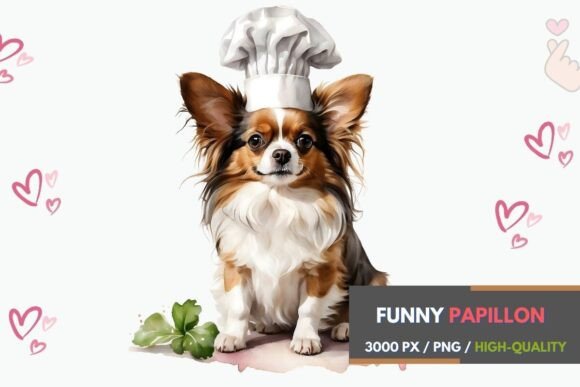
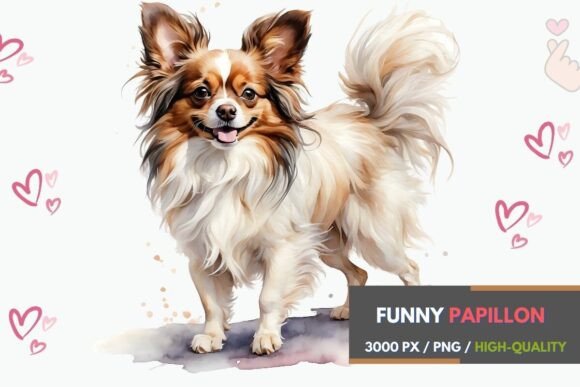
There’s a specific kind of charm that comes from a Papillon. Those butterfly ears, the alert posture, and that undeniable spark of intelligence in their eyes make them a favorite subject for artists. When you translate that energy into a high-quality watercolor clipart, you get a design asset that does more than just sit on a page—it adds personality. The Funny Papillon Dog Clipart we’re looking at today isn’t just a generic illustration; it’s a piece of character art that can bridge the gap between a standard project and something truly memorable. It captures that playful, slightly mischievous spirit that Papillon owners know so well, rendered in a style that feels both artistic and approachable.
Visually, this piece stands out because of its medium. The watercolor effect gives it a hand-painted, organic quality that digital vectors often lack. You get the soft bleed of colors, the subtle texture of the paper coming through, and a sense of depth that makes the dog feel almost tangible. Unlike a flat illustration, this watercolor style adds a layer of warmth and nostalgia. It’s the kind of image that feels at home on a rustic wedding invitation just as much as it does on a modern social media post. The transparent background is the unsung hero here, allowing you to layer this image over textures, solid colors, or complex patterns without that tell-tale white box ruining your composition. It’s a technical feature that opens up massive creative possibilities, especially for Digital designs and overlays.
Practical Applications for Designers and Crafters
So, where does a Funny Papillon Dog Clipart actually fit into your workflow? The versatility might surprise you. For graphic designers and brand strategists, this image is a goldmine for niche markets. Think about pet groomers, doggy daycare centers, or boutique pet food brands. Using a generic stock photo is safe, but using a stylized, artistic clipart like this creates a distinct brand identity. It suggests a business that values creativity and has a personal touch. You could use this as a central element for a logo design, provided the style aligns with the brand's voice, or as a recurring motif in packaging design for artisanal goods.
For those in the publishing and content creation space, the applications are just as broad. Bloggers writing about pet care or lifestyle topics can use this image to break up text walls, adding a visual "breather" that keeps readers engaged. It’s perfect for featured images or newsletter headers. In editorial design, such as a magazine layout or a zine, this clipart can serve as a spot illustration, adding a touch of whimsy to a page without overwhelming the typography. It’s also an excellent asset for social media graphics. In a feed dominated by polished, high-contrast photography, a soft watercolor dog stands out. It feels more human, more relatable, and less like an advertisement. It’s the kind of image that stops the scroll because it offers a moment of visual delight.
Then there is the world of physical goods and DIY crafts. If you are a small business owner selling on platforms like Etsy or Shopify, this asset is incredibly valuable. It’s perfect for creating sublimation designs for t-shirts, tote bags, or mugs. The high resolution (3000px) ensures that the image remains crisp even when printed on larger items, avoiding the pixelation that plagues lower-quality graphics. You can use it to design custom stickers, greeting cards, or even party invitations. For the hobbyist, it’s a way to personalize everyday items. Imagine printing this onto transfer paper to iron onto a canvas bag or using it as a centerpiece for a scrapbooking layout. The "funny" aspect of the clipart adds a lighthearted touch that makes these items feel like gifts rather than just products.
Integrating Art into Your Design Strategy
Using an asset like the Funny Papillon Dog Clipart effectively requires a bit of strategic thinking. It’s not just about slapping an image onto a background; it’s about composition and context. Because this is a premium font—or rather, a premium illustration asset—it deserves to be treated with the same care you’d give a display font or a serif font in a layout. Consider the negative space around the dog. Watercolor art needs room to breathe; if you crowd it with too many text elements or competing graphics, the soft edges can get lost, and the design can feel cluttered.
When it comes to typography, pairing is key. Since the clipart has a distinct, artistic style, you want to choose typefaces that complement rather than clash. A sans serif font with clean, geometric lines can provide a modern contrast to the organic watercolor texture, creating a nice visual tension. Alternatively, a script font or a handwritten font can amplify the whimsical, personal feel of the illustration, making the design feel cohesive and story-driven. Avoid overly complex display fonts that might compete for attention. The goal is to create a visual hierarchy where the text supports the image, or the image supports the text, depending on your project's goal. For web design, ensure that the image file size is optimized for faster loading times, even though the resolution is high.
Finally, always keep your audience in mind. Who are you trying to reach? If you are targeting dog lovers, this image is an immediate emotional connector. It taps into a shared language of affection for pets. For a broader audience, the artistic quality of the watercolor makes it a piece of art in its own right. By choosing high-quality design assets like this, you signal to your audience that you care about the details. It’s a small thing, but in a crowded digital landscape, those details are what build trust and recognition. Whether you are designing a flyer for a local dog show or creating a line of digital prints, this Papillon clipart offers a blend of humor, artistry, and utility that is hard to find.